Saturday, February 28, 2015


The Ware Tetralogy 
(Rudy Rucker, 1982-2000)


“For me, the best thing about Cyberpunk is that it taught me how to enjoy shopping malls, which used to terrify me. Now I just imagine the whole thing is two miles below the moon’s surface, and that half the people’s right-brains have been eaten by roboticized steel rats. And suddenly it’s interesting again.” 
Rudy Rucker


Rucker, a mathematician, wrote the Ware novels starting in 1981 at the ouset of the Cyberpunk movement and finished at the dawn of the third millennium.
It is heady and scary stuff, Rucker is keen on going where most SF writers are afraid to go, social and literary taboos are shattered at neck breaking speed and we are left breathless at the virtuosity of the prose. Just consider Rucker's synopsis of the four novels:
''Software, where rebel robots bring immortality to their human creator by eating his brain. Wetware, the robots decide to start building people—and people get strung out on an insane new drug called Merge. Freeware, the robots have evolved into soft plastic slugs called Moldies­—and some human “Cheeseballs” want to have sex with them. The action redoubles when aliens begin arriving in the form of cosmic rays. Realware, the humans and robots find a wormhole with god inside, learn the art of direct matter control, get wacked out as usual—and find true love.''
https://archive.org/details/ware_tetralogy

Friday, February 27, 2015


Hieroglyphics, a note upon Ecstasy in Literature (Arthur Machen, 1902)


'' I shall be obliged to keep on reiterating the difference between fine literature and literature, or in other words between art and observation expressed with artifice. I am afraid, that in your heart of hearts, you still believe that the Odyssey is fine literature, and that Pride and Prejudice is fine literature, though the Odyssey is better than Pride and Prejudice. It is that better that I want to get out of your head, that monstrous fallacy of comparing Westminster Abbey with the charming old houses in Queen Square. You would see the absurdity of imagining that there can be any degree of comparison between two things entirely different, if I substituted for Pride and Prejudice some ordinary circulating-library novel of our own times. At least I hope you would see, though, as I told you a few weeks ago, I doubt very much whether many people realise the distinction between the Odyssey and a political pamphlet. The general opinion, I expect, is that both belong to the same class, though the Greek poem is much more important than the pamphlet. I think we succeeded in demonstrating the falsity of this idea, in showing clearly and decisively that fine literature means the expression of the eternal human ecstasy in the medium of words, and that it means nothing else whatsoever.''

http://www.gutenberg.org/files/40241/40241-h/40241-h.htm

Thursday, February 26, 2015


Thesaurus Incantatus 
(Arthur Machen, 1888)


''The Enchanted Treasure or, the spagyric quest of Beroaldus Cosmopolita, in which is sophically and mystagorically declared the first matter of the stone : with a list of choice books on alchemy, magic, talismans ...''

A bibliography of Alchemical texts to which was appended a short story by Machen about the subject. 

https://archive.org/details/thesaurusincanta00mach

Confessions of an English Opium-Eater 
(Thomas De Quincy, 1822)


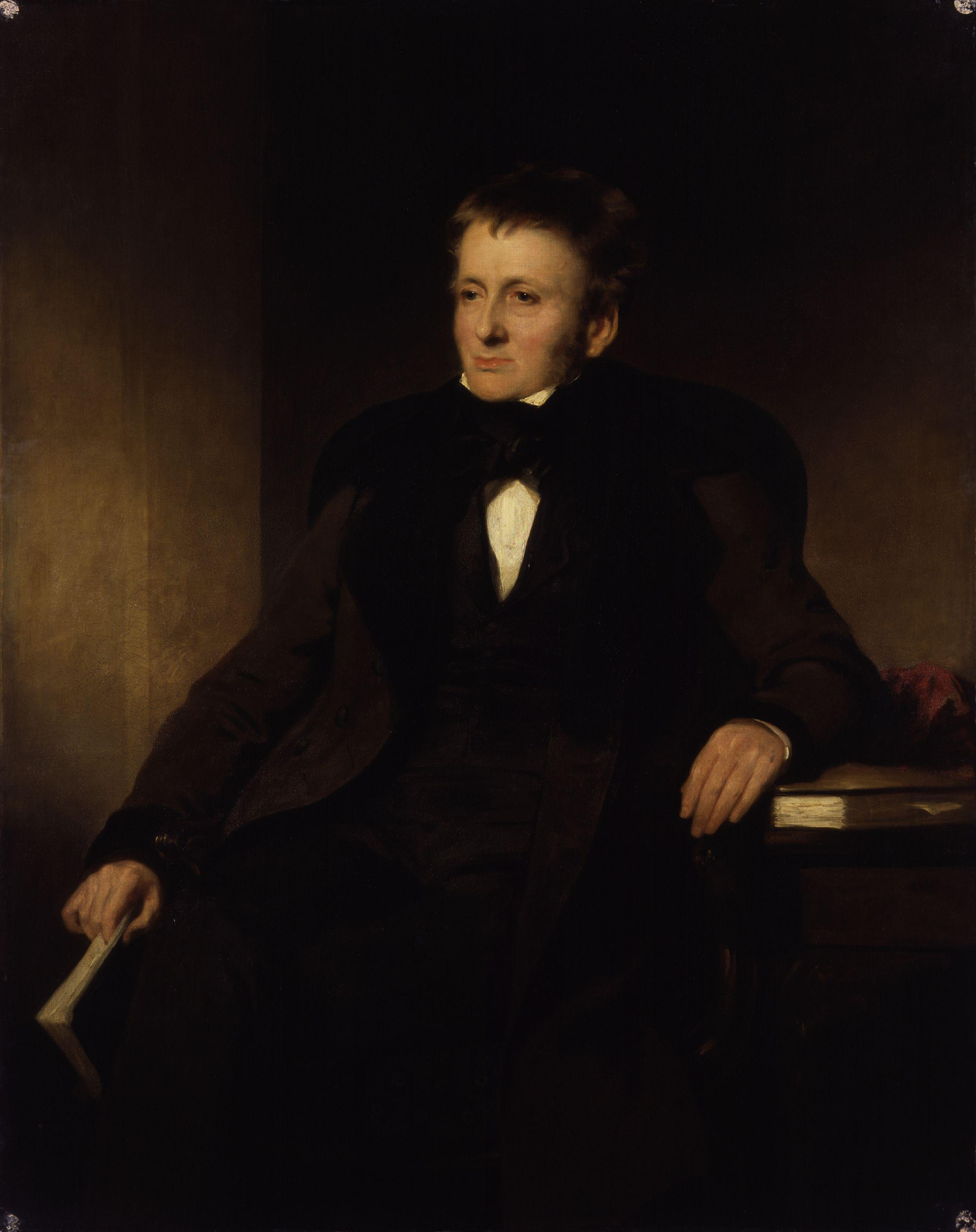
At age 37 Thomas De Quincy (1785-1859) published this account of his youthful addiction to opium, his first book. It became a run away best seller overnight and was denounced in the Parliament.Since then it has become the paradigmatic drug text, referenced by writers as diverse as Charles Baudelaire, William Burroughs, Hunter Thompson and David Bowie. 

https://archive.org/details/confessionsofane02040gut